

Supporting Brain Injury Recovery Without Upfront Costs
After an accident, many injury victims struggle with memory problems, brain fog, emotional changes, or difficulty concentrating. Unfortunately, access to specialized cognitive treatment can feel financially out of reach.
That’s why Neuron Connect offers attorney-lien friendly neurofeedback services—allowing injury victims to begin treatment without upfront payment.
This model benefits both attorneys and their clients.

What Is Attorney-Lien Based Care?
Attorney-lien care allows medical providers to treat injured clients now and receive payment after a case settles.
This approach:
- Reduces financial stress for injury victims
- Ensures timely cognitive treatment
- Supports legal cases with documented progress
- Aligns medical care with case timelines
Why Neurofeedback Matters in Injury Recovery
Traumatic brain injuries (TBI), even mild ones, can cause:
- Memory loss
- Difficulty focusing
- Mood swings
- Sleep disturbances
- Cognitive fatigue
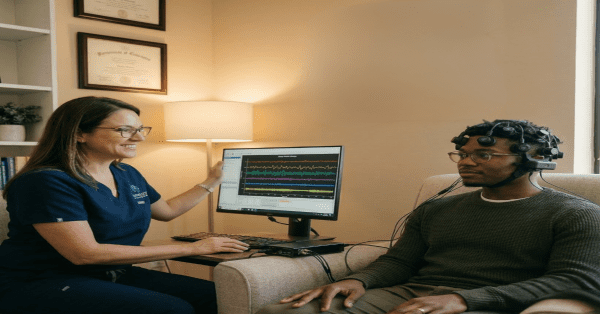
qEEG brain mapping identifies functional brain changes that may not appear on MRI or CT scans. Neurofeedback then helps retrain those disrupted brain patterns.
Benefits for Injury Victims
- Access to specialized cognitive therapy
- Objective brain mapping documentation
- Drug-free recovery support
- Improved daily functioning and quality of life
Benefits for Attorneys
- Clinical documentation of cognitive impairment
- Brain maps to support medical evidence
- Ongoing treatment progress reports
- Strengthened settlement negotiations
Neuron Connect works directly with personal injury attorneys to ensure documentation is clear, professional, and case-ready.
Cognitive recovery should not be delayed due to financial barriers. Attorney-lien friendly neurofeedback creates a pathway for injury victims to heal while protecting their legal rights.
Are you an attorney or injury victim seeking brain recovery support?
Contact Neuron Connect today to learn about lien-based care options.
References:
Schoenberger, N. E., et al. (2001). Neurofeedback Training for TBI: Improvements in Attention and Memory. Journal of Head Trauma Rehabilitation.
Thornton, K. (2003). Electrophysiology of Mild Traumatic Brain Injury. Clinical EEG and Neuroscience.
Hammond, D. C. (2007). qEEG-Guided Neurofeedback in the Treatment of Trauma. Journal of Neurotherapy.
